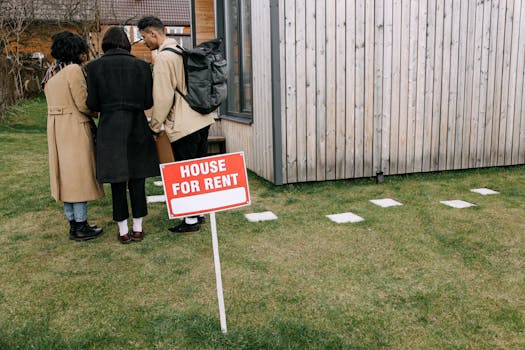
Renting a home or apartment in Reno, Nevada, is a significant life event for thousands of residents each year. With a dynamic housing market and a wide variety of rental options, tenants in Reno must navigate not just prices and amenities, but also the legal aspects that govern their rights and responsibilities. Whether you’re a first-time renter, a long-term tenant, or someone relocating to Reno, understanding these legal foundations is crucial to protecting your interests and ensuring a positive renting experience.
This guide explores the most important legal considerations every Reno tenant should know, from lease agreements to eviction protections and security deposit rules. Armed with this knowledge, you’ll be better equipped to avoid common pitfalls and resolve disputes effectively.
Understanding Lease Agreements in Reno: Key Legal Protections
A lease agreement is more than just paperwork—it’s a legally binding contract that sets the terms of your tenancy. In Reno, leases must comply with both Nevada state laws and any applicable local ordinances. Here’s what you need to know:
.png) - $1 In Nevada, leases for periods longer than one year must be in writing. However, oral agreements for shorter rental periods are permitted but can lead to misunderstandings. Always request a written lease for clarity and legal security.
- $1 Landlords in Reno must provide tenants with specific disclosures, including:
- The identity of all owners or managers.
- The conditions under which deposits are withheld.
- Information about the presence of lead-based paint (for buildings built before 1978).
- Any known mold hazards.
- $1 Leases typically specify start and end dates. If a lease expires without renewal, it often converts to a month-to-month agreement, requiring a 30-day written notice for termination by either party.
- $1 Some leases include penalties or fees for breaking the lease early. However, Nevada law allows tenants to break a lease without penalty in specific situations, such as domestic violence, military deployment, or uninhabitable living conditions.
- $1 Unlike some major cities, Reno does not have rent control or rent stabilization laws. This means landlords can raise rent with proper notice, but they cannot increase rent as retaliation or in a discriminatory manner.
- $1 In Nevada, leases for periods longer than one year must be in writing. However, oral agreements for shorter rental periods are permitted but can lead to misunderstandings. Always request a written lease for clarity and legal security.
- $1 Landlords in Reno must provide tenants with specific disclosures, including:
- The identity of all owners or managers.
- The conditions under which deposits are withheld.
- Information about the presence of lead-based paint (for buildings built before 1978).
- Any known mold hazards.
- $1 Leases typically specify start and end dates. If a lease expires without renewal, it often converts to a month-to-month agreement, requiring a 30-day written notice for termination by either party.
- $1 Some leases include penalties or fees for breaking the lease early. However, Nevada law allows tenants to break a lease without penalty in specific situations, such as domestic violence, military deployment, or uninhabitable living conditions.
- $1 Unlike some major cities, Reno does not have rent control or rent stabilization laws. This means landlords can raise rent with proper notice, but they cannot increase rent as retaliation or in a discriminatory manner.
Understanding these fundamentals before signing can help you avoid unfavorable terms or illegal lease provisions.
Security Deposits: Limits, Deductions, and Return Timelines
Security deposits are a standard part of renting, but Nevada law places clear limits and requirements on how landlords handle them.
- $1 In Nevada, landlords cannot charge more than the equivalent of three months’ rent as a security deposit. This cap includes all forms of deposits and non-refundable fees. - $1 Landlords may deduct from the deposit for: - Unpaid rent - Damages beyond normal wear and tear - Cleaning costs (if the property is not returned in the same condition as received) - Any other breaches of the lease agreement - $1 After you move out, the landlord must return your deposit (minus any deductions) within 30 days. If deductions are made, they must provide an itemized, written accounting. - $1 If you believe your deposit was unfairly withheld, you have the right to contest it in Small Claims Court. In 2022, there were over 1,500 small claims cases involving security deposits in Nevada, highlighting the importance of clear documentation and communication.The table below compares Nevada’s security deposit laws with those of neighboring states:
| State | Maximum Deposit | Return Deadline | Itemized Statement Required? |
|---|---|---|---|
| Nevada | 3 months’ rent | 30 days | Yes |
| California | 2 months (unfurnished), 3 months (furnished) | 21 days | Yes |
| Oregon | No statutory limit | 31 days | Yes |
| Utah | No statutory limit | 30 days | Yes |
Keeping detailed move-in and move-out records, including photographs, is your best defense against unfair deductions.
Tenant Rights: Habitability, Privacy, and Repairs in Reno
Tenants in Reno enjoy significant legal protections to ensure safe and livable housing. Here’s what every renter should know:
- $1 Nevada law requires all rentals to be “habitable.” This means the property must have working plumbing, heating, electricity, and be free from significant hazards such as mold, pests, or structural instability. - $1 Landlords must make necessary repairs within 14 days after receiving written notice from the tenant. If repairs are not made in time, tenants may: - Withhold rent (in certain circumstances, following specific procedures) - Make repairs and deduct the cost from rent (up to one month’s rent or $100, whichever is greater) - Terminate the lease - $1 Landlords are required to provide at least 24 hours’ advance notice before entering a rental unit, except in emergencies. Entry without proper notice is a violation of your right to privacy. - $1 It is illegal for a landlord to retaliate against tenants who request repairs or exercise their legal rights. Retaliatory actions can include raising rent, reducing services, or threatening eviction.According to a 2023 report by the Nevada State Apartment Association, 88% of rental disputes involved issues of repairs or maintenance, making this one of the most critical areas of tenant rights.
Eviction Laws: Procedures and Tenant Protections in Reno
Facing eviction is a stressful experience, but knowing your legal rights can make a significant difference.
- $1 Common reasons for eviction in Reno include: - Nonpayment of rent - Violation of lease terms - Expiration of lease (with proper notice) - $1 Nevada law requires landlords to provide written notice before filing for eviction: - 7-day notice for nonpayment of rent - 5-day notice to remedy a lease violation or vacate - 30-day notice to terminate a month-to-month tenancy - $1 If you don’t resolve the issue or move out within the notice period, the landlord may file an eviction lawsuit. You have the right to contest the eviction in court. - $1 While statewide eviction moratoriums have expired, some federal and local protections may still apply for tenants facing hardship. - $1 It is illegal for landlords to engage in “self-help” evictions, such as changing locks or shutting off utilities. Only a court order allows a sheriff to physically remove tenants.In 2023, Washoe County reported over 2,400 eviction filings—a reminder that every tenant should understand the process and seek legal help when needed.
Discrimination and Fair Housing Laws in Reno
Tenants in Reno are protected by both federal and state fair housing laws, which prohibit discrimination based on:
- Race, color, religion, sex, national origin, familial status, or disability (federal law) - Sexual orientation, gender identity, ancestry, or pregnancy (additional Nevada state protections)Landlords cannot refuse to rent, set different terms, or harass tenants based on any protected characteristic. In 2022, the U.S. Department of Housing and Urban Development (HUD) received over 150 fair housing complaints from Nevada residents, with 38% related to disability discrimination.
If you believe you have been discriminated against, you can file a complaint with the Nevada Equal Rights Commission or HUD. Landlords found in violation may face significant penalties, including damages and mandatory training.
Resolving Disputes: Resources and Legal Aid for Reno Renters
Even with the best intentions, disputes between tenants and landlords can arise. Reno offers several resources to help renters understand their rights and resolve conflicts:
- $1 Provides free or low-cost legal assistance for tenants facing eviction, discrimination, or other housing issues. - $1 Offers forms, guides, and referrals for tenants representing themselves in court. - $1 Can assist with complaints about substandard conditions in subsidized housing. - $1 Many disputes can be settled through mediation, which is faster and less expensive than court.Documenting all interactions, keeping records of payments and correspondence, and acting quickly are key to protecting your rights.
Staying Informed: Why Knowing Rental Laws in Reno Matters
Navigating Reno’s rental landscape can feel overwhelming, but understanding the legal framework gives tenants greater confidence and security. From the fine print in lease agreements to protections against unjust evictions and discrimination, Reno tenants have rights that matter.
Being proactive—reading your lease carefully, knowing the deadlines and limits on security deposits, and understanding how to request repairs or contest unfair treatment—can help you avoid costly mistakes and enjoy a more stable rental experience. If in doubt, consult local legal resources or tenant advocacy groups to ensure your rights are protected.