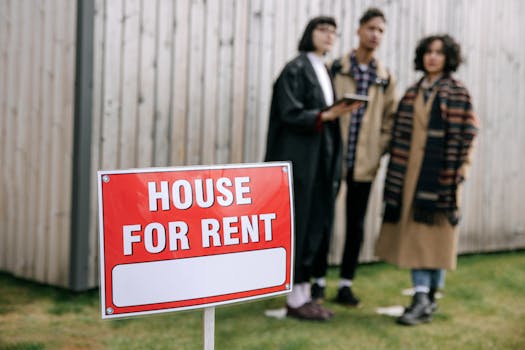
Searching for a rental property in Reno can be exciting but also daunting, especially when navigating the world of online listings. With Reno’s rental market remaining competitive—the city’s vacancy rate hovered around 3.1% in early 2024, according to the Nevada State Apartment Association—more renters are turning to online platforms to secure homes quickly. However, this digital convenience comes with risks: scams targeting rental seekers are on the rise. The Federal Trade Commission (FTC) reported that Americans lost over $400 million to rental scams in 2023 alone, and Reno is not immune. In this guide, we’ll explore how to avoid scams when searching for rentals online in Reno, offering practical steps, real-world examples, and essential data for safe, successful house hunting.
The Landscape of Online Rental Scams in Reno
Reno’s growing population, vibrant job market, and proximity to Lake Tahoe make it a hot spot for both legitimate landlords and opportunistic scammers. Online rental scams can take many forms, from fake listings to identity theft schemes. In 2023, the Reno Police Department received more than 100 reports of suspected rental fraud, with losses ranging from a few hundred to several thousand dollars per victim.
Typical scams include:
- $1 Properties advertised that don’t actually exist or aren’t for rent. - $1 Legitimate rental ads copied and reposted by scammers with their own contact information. - $1 Fraudsters asking for deposits or rent before the property can be seen.A recent example in Reno involved a scammer duplicating a legitimate Zillow listing, lowering the rent to attract more applicants, and requesting deposits via wire transfer. Multiple would-be renters lost over $1,500 each before the scam was uncovered.
.png)
Warning Signs: How to Spot a Rental Scam Online
Recognizing the red flags is the first step to protecting yourself. Here are tell-tale signs that a rental listing may be fraudulent:
1. $1 If the rent is significantly lower than similar properties in the neighborhood, proceed with caution. In 2024, the average monthly rent for a one-bedroom in Reno is around $1,350—be wary of listings far below this. 2. $1 Scammers often claim they are out of town or unavailable, pushing for a deposit before you see the property. Always insist on an in-person tour or a live virtual walkthrough. 3. $1 Be cautious if asked to pay via wire transfer, cryptocurrency, gift cards, or apps like Venmo and Cash App. Legitimate landlords typically use checks, money orders, or secure platforms. 4. $1 Many scam emails and texts contain spelling mistakes, awkward phrasing, or evasive answers to specific questions. 5. $1 Scammers create urgency by saying “other applicants are lined up,” or “the first to pay gets the unit.” Take your time to verify details. 6. $1 Real landlords provide detailed rental agreements. If documentation is lacking, walk away.Comparing Online Rental Platforms: Which Are Safest?
Not all online rental platforms offer equal protection. Some have robust verification systems, while others are more susceptible to fake listings. Here’s a comparison of popular sites used in Reno:
| Platform | Verification Level | Scam Prevention Features | User Review Score (2024, out of 5) |
|---|---|---|---|
| Zillow Rentals | High | Listing verification, secure messaging, fraud reporting | 4.2 |
| Craigslist | Low | Minimal; users must self-vet listings | 3.1 |
| Apartments.com | High | ID checks, verified listings, support hotline | 4.5 |
| Facebook Marketplace | Moderate | User profiles, reporting, but limited listing checks | 3.7 |
| Rent.com | High | Verified listings, fraud monitoring | 4.0 |
As the table shows, platforms like Apartments.com and Zillow Rentals provide more security features, while Craigslist remains a hotbed for scams due to its lack of oversight. Whenever possible, use platforms with strong verification protocols.
Smart Steps to Verify Listings and Landlords
To avoid falling victim to scams, follow these essential verification steps:
- $1 Use Google’s image search to check if listing photos appear elsewhere online. If the same images are used for properties in other cities, it’s a scam. - $1 Use the Washoe County Assessor’s online database to confirm property ownership. If the advertiser’s name doesn’t match the owner, ask for proof of authorization. - $1 Look up their business online, check for reviews, and ask for a business card or website. Scammers rarely have an online presence. - $1 Never agree to rent sight unseen. If you're relocating and can't visit, ask a trusted local friend, real estate agent, or relocation service to tour for you. - $1 Ask for a copy of the lease, application forms, and landlord’s ID or business license. Scammers will often disappear when pressed for paperwork. - $1 Pay with checks, money orders, or through the rental platform. Never wire money or pay in cash before signing a lease and receiving keys.What To Do If You Suspect a Scam in Reno
If something feels off, trust your instincts. Here’s what to do if you encounter or fall victim to a rental scam in Reno:
1. $1 Disengage from the suspected scammer immediately. 2. $1 If you haven’t sent funds, don’t. If you have, contact your bank or payment provider to attempt to block or recover the transaction. 3. $1 File a report with the Reno Police Department, the FTC (ftc.gov/complaint), and the Nevada Consumer Affairs Division. 4. $1 Use the site’s reporting tools to flag the fraudulent listing and prevent others from becoming victims. 5. $1 Share your experience on local social media groups or forums like Nextdoor and Facebook. Your warning could help someone else avoid the same fate.According to the FTC, less than 30% of victims report rental scams. Reporting not only increases your chances of recovery but also helps authorities shut down fraudulent operations.
Real-Life Examples: Lessons from Reno Renters
Learning from others’ experiences is invaluable. Here are two recent Reno case studies:
- $1 Sarah, a UNR graduate student, found a downtown loft on Craigslist listed at $900/month—far below average. The “landlord” claimed to be out of state and requested a $500 deposit via Venmo to “hold the unit.” Sarah became suspicious and did a reverse image search, discovering the photos were from a New York real estate website. She avoided the scam and reported the listing. - $1 The Johnson family responded to a Facebook Marketplace ad for a 3-bedroom house in Old Southwest Reno. The poster sent a convincing lease agreement but pushed for a deposit before showing the property. The family visited the address and spoke with the real owner, who had no idea his home was being advertised for rent. This vigilance saved them from losing $2,000.These stories highlight the importance of skepticism, verification, and always seeing a property before sending money.
Final Strategies for Safe Online Rental Searches in Reno
Staying safe during your Reno rental search means combining skepticism with proactive research. Remember:
- Use reputable platforms and beware of deals too good to be true. - Insist on in-person or live virtual tours. - Cross-check property ownership and landlord identity. - Never send money before verifying every detail.In 2024, online rental scams will continue to target renters in fast-growing cities like Reno. With the right knowledge and tools, you can protect yourself and find a legitimate, comfortable home in the Biggest Little City.