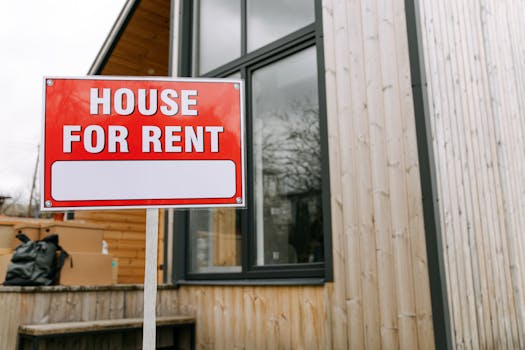
Leasing property in Reno, Nevada, can be a pivotal step—whether you’re a business owner eyeing commercial space, a family settling down, or an investor negotiating for the best return. But while Reno’s rental market has grown more sophisticated, lease agreements remain complex, and the stakes for both tenants and landlords are high. Effectively negotiating a lease agreement in Reno goes far beyond reviewing the monthly rent; it’s about knowing your rights, understanding local market dynamics, and crafting terms that truly serve your needs.
In this guide, you’ll learn actionable strategies and critical insights specific to Reno’s unique real estate landscape. We’ll explore what sets leases in Reno apart, how to prepare for negotiations, key terms to target, and practical tactics to secure favorable terms—whether you’re negotiating for a downtown apartment or a South Reno retail space.
Understanding Reno’s Leasing Landscape: Why Local Knowledge Matters
Reno’s real estate market has been on a remarkable trajectory. According to the Reno/Sparks Association of Realtors, median rents for one-bedroom apartments increased by 7.8% from 2022 to 2023, and commercial vacancy rates have hovered around 5%—indicating a competitive market for both residential and commercial spaces.
.png)
Unlike some cities, Reno is influenced by its proximity to California, rapid population influx, and unique zoning rules. For example, short-term rental regulations were updated in 2022, and the city has implemented new tenant protections in the wake of rising rents. Local knowledge can help you anticipate landlord expectations, spot red flags, and leverage current market conditions during your negotiations.
Key Reno-specific facts: - As of late 2023, the average rent for a two-bedroom apartment in Reno was $1,690 per month. - Commercial lease rates in Midtown Reno are typically $1.25 to $2.25 per square foot, triple net (NNN). - The city’s population grew by 15% between 2015 and 2023, putting upward pressure on housing demand.Preparation: Laying the Groundwork for a Successful Lease Negotiation
Effective lease negotiation begins long before you sit down with a potential landlord or property manager. Preparation is the cornerstone of securing favorable terms.
Start by researching the going rates for comparable properties in your preferred neighborhood or commercial district. Online platforms like Zillow, LoopNet, and local real estate agencies can provide up-to-date listings and historical pricing data. For commercial leases, consult industry reports or talk to a local broker familiar with Reno’s submarkets.
Next, clarify your must-haves and your “nice-to-haves.” For residential renters, this might include pet policies, parking, or utilities included. For commercial tenants, consider signage rights, build-out allowances, and renewal options.
Finally, assemble your documentation: - Proof of income or business financials (for commercial leases) - Credit report (some landlords will pull this themselves) - References from previous landlords or business partners - A lease negotiation checklist tailored to Reno regulationsBy arriving at the table informed and organized, you’ll project confidence and demonstrate to landlords that you’re a desirable, serious tenant.
Key Terms to Negotiate in Your Reno Lease Agreement
While rent is the headline figure, several other lease terms can have just as much impact on your experience and bottom line. In Reno, there are specific local variables to consider.
Here’s a breakdown of critical terms to discuss—and what to watch for:
| Lease Term | Residential | Commercial | Negotiation Tips |
|---|---|---|---|
| Rent Amount & Escalations | Monthly, can increase with market | May include annual increases (e.g., 3%) | Negotiate caps on increases; compare with market trends |
| Security Deposit | Usually 1–2 months’ rent (max per NV law: 3 months) | Often negotiable, may include additional fees | Request itemized list of deposit uses; clarify refund terms |
| Maintenance & Repairs | Landlord typically responsible for major repairs | Triple net (NNN) leases may shift costs to tenant | Specify maintenance responsibilities in writing |
| Early Termination | May require 30–60 days’ notice, fees vary | Often requires negotiation, can carry heavy penalties | Negotiate reasonable penalties or exit clauses |
| Renewal Options | Not always included by default | Key for long-term business planning | Secure options to renew at pre-set rates |
| Special Clauses | Pet policies, subletting, parking | Signage, exclusive use, TI allowances | Ask for custom clauses to fit your needs |
Reno law requires landlords to return security deposits within 30 days of lease termination, but disputes are not uncommon. Always get all agreements in writing, and request clarifications for any ambiguous language.
Negotiation Strategies That Work in Reno
Negotiation is both an art and a science, especially in a city like Reno where rapid growth creates a dynamic market. Here are proven tactics that can help you secure favorable terms:
1. Leverage Market Data: Come armed with recent comps—if you know a similar property is renting for less, cite it. Knowledge of vacancy rates (e.g., North Reno’s 4.6% in late 2023) can also help your case. 2. Be Willing to Walk Away: In competitive markets, it’s tempting to accept the first offer. But expressing a willingness to walk—politely—can often prompt landlords to sweeten the deal, especially if they have vacant properties. 3. Ask for Incentives: In 2023, nearly 18% of new leases in Reno included move-in incentives such as a month of free rent or reduced deposits. Don’t hesitate to ask, especially in off-peak rental seasons (November–February). 4. Negotiate More Than Just Rent: Terms like free parking, included utilities, or tenant improvement allowances (for commercial spaces) can add up to thousands in value over the lease term. 5. Use Timing to Your Advantage: Lease negotiations tend to be more favorable to tenants during the slower winter months or when new apartment complexes open, flooding the market with supply.Example: A small business owner in Midtown Reno was able to negotiate a 10% reduction in base rent and receive two months of free rent by highlighting the area’s above-average vacancy and referencing recent comparable deals.
Common Pitfalls to Avoid in Reno Lease Negotiations
Even savvy tenants can fall into traps during negotiations. Here are some of the most frequent—and costly—mistakes to watch for in Reno:
- Failing to Read the Fine Print: Many disputes arise from overlooked clauses. For example, some Reno leases include mandatory carpet cleaning or professional cleaning fees at move-out—sometimes deducted from the security deposit without warning. - Overlooking Local Ordinances: Reno has specific requirements for rental inspections, habitability standards, and short-term rental limits. Ignoring these can put both tenants and landlords at risk. - Not Clarifying Verbal Agreements: Never rely on handshake deals or email promises alone. If the landlord agrees to repaint, replace appliances, or waive a fee, insist on an addendum in the signed lease. - Underestimating Renewal Terms: Many tenants are caught off guard by steep rent increases at renewal. Always negotiate renewal terms up front, especially in Reno’s fast-moving market.According to the Nevada State Apartment Association, nearly 27% of tenant-landlord disputes in 2022 were related to unclear or poorly documented lease terms. Protect yourself by documenting everything.
Securing Legal and Professional Support in Reno
While many lease negotiations are straightforward, complex deals—especially for commercial spaces or high-value residential rentals—warrant professional support. Here are resources to consider:
- Real Estate Agents: Licensed agents know the Reno market and can negotiate on your behalf, often at no cost to residential tenants (their fee is paid by the landlord). - Real Estate Attorneys: For commercial tenants, an attorney can review the lease and flag problematic clauses or compliance risks. - Mediation Services: Reno offers free or low-cost mediation through organizations like the Nevada Legal Services, which can help resolve disputes before they escalate.Don’t underestimate the value of experienced counsel. For instance, one Reno tech startup avoided a costly mistake by having an attorney remove an “automatic rent escalation” clause that could have increased rent by 20% over three years—well above the market average.
Final Tips for Negotiating a Lease Agreement in Reno
Negotiating a lease agreement in Reno is about more than just securing the best price. It’s about understanding your legal rights, knowing the market, and ensuring that the terms support your goals for the duration of your stay or business operations.
Remember: - Preparation and research can make or break your negotiation. - Don’t focus exclusively on monthly rent—every clause matters. - Be polite but firm, and don’t shy away from asking for custom terms. - Document everything, and consider professional help for complex deals.With these strategies, you’ll be better equipped to navigate Reno’s evolving real estate scene—and secure a lease agreement that truly fits your needs.