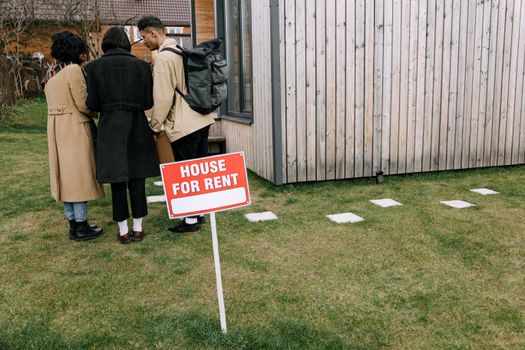
Reno: How to Verify the History of a Property Before Renting?
Renting a home or apartment in Reno can be an exciting milestone—but it also comes with its share of risks and uncertainties. What if the property you’re eyeing has a history of unresolved maintenance issues, persistent pest problems, prior legal disputes, or worse? These hidden pitfalls can lead to unexpected expenses, stress, and headaches. That’s why verifying the history of a property before signing a lease is one of the smartest steps you can take as a renter. This guide will walk you through the practical methods, resources, and red flags to watch for so you can rent with confidence in Reno.
Why Checking Property History Matters in Reno
Reno’s rental market is diverse and fast-moving, with nearly 45% of the city’s residents living in rented homes as of 2023, according to the U.S. Census Bureau. With rising demand and a wide range of property ages and management styles, the risk of ending up in a problematic rental is real. Issues like past flooding, mold infestations, unresolved code violations, or even previous criminal activity can affect your safety, comfort, and financial well-being.
A 2022 survey by the National Multifamily Housing Council found that 34% of renters reported at least one major issue with their new rental within the first year. In Reno, where older properties and rapid turnover are common, this number can be even higher. By taking steps to verify a property’s history, you can avoid becoming part of this statistic, negotiate improvements, or walk away before committing.
.png)
Property Records and Public Databases: Your First Line of Defense
One of the most effective ways to uncover a property’s background is to consult official records and public databases. Local government and online databases can reveal a wealth of information about a rental’s past—if you know where to look.
Key resources include: - Washoe County Assessor’s Office: Provides ownership records, property tax history, and building details. - Reno Code Enforcement: Tracks code violations, citations, and compliance cases. - Washoe County Recorder’s Office: Offers access to deeds, liens, and foreclosure records. - Reno Police Department Crime Mapping: Shows criminal incidents by address. By searching these sources, you can uncover: - The identity and track record of the landlord or property management company. - Whether the property has a history of unpaid taxes, liens, or foreclosures. - Past or ongoing code enforcement actions (e.g., lead paint, unsafe conditions, illegal rentals). - Neighborhood crime rates and specific incidents at the property.For example, if you discover that a property has faced repeated code violations for plumbing issues in the past three years, it’s a strong indicator of ongoing maintenance neglect.
| Database | Information Provided | Access Method | Cost |
|---|---|---|---|
| Washoe County Assessor’s Office | Ownership records, property details, tax history | Online search or in-person | Free |
| Reno Code Enforcement | Code violations, compliance cases | Online or phone request | Free |
| Washoe County Recorder’s Office | Deeds, liens, foreclosure notices | Online or in-person | May have small copy fees |
| Reno Police Department Crime Mapping | Crime incidents by address | Online | Free |
Past Tenants and Online Reviews: Real-World Experiences
While official documents tell one story, firsthand accounts from previous tenants often reveal another. In the digital age, you can tap into a vast pool of reviews and testimonials to get the inside scoop on a property’s history.
Start by searching: - Google Reviews and Yelp: Many apartment buildings and property management firms have profiles where tenants leave detailed feedback. - ApartmentRatings.com and Rent.com: National platforms with verified renter reviews. - Social media groups: Local Reno Facebook groups often discuss landlords and complexes. What should you look for? - Patterns of unresolved maintenance requests or delayed repairs. - Complaints about pests, mold, or noise. - Reports of disputes over security deposits or surprise fees. - Positive feedback about responsive management or recent renovations.For instance, if you notice multiple reviews mentioning recurring plumbing leaks or unaddressed heating issues, these are red flags. Conversely, consistent praise for timely repairs and clear communication is a good sign.
You can also try to connect directly with outgoing tenants during your property tour. A brief, polite conversation can yield valuable insights—such as why they’re moving or if they experienced any problems not visible during a walkthrough.
Legal and Regulatory History: Digging Deeper for Peace of Mind
Beyond maintenance and tenant satisfaction, it’s important to check for a property’s legal standing. Legal issues can affect your rights as a tenant, the stability of your lease, and your ability to enjoy the property.
Key areas to investigate include: - Prior eviction actions: Washoe County court records can reveal if the property or landlord has a history of evicting tenants, and under what circumstances. - Lawsuits involving the landlord: Civil court records can show disputes over habitability, discrimination, or breach of contract. - Zoning and occupancy permits: Confirm that the property is legally zoned for residential use and has the required permits.According to the Nevada Supreme Court, there were over 6,500 eviction filings in Washoe County in 2023 alone. Properties with frequent eviction filings often signal problematic management or persistent non-compliance with tenant rights.
For multi-unit properties, you can also check with the City of Reno’s Building Division for records of fire safety inspections and compliance with multi-family housing regulations.
Physical Inspections and Disclosure Laws: What Landlords Must Tell You
Nevada law requires landlords to disclose certain issues, but not all. As a prospective tenant in Reno, you have the right to ask probing questions and request documentation about the property’s condition and history.
Landlords in Nevada must disclose: - The presence of lead-based paint (for buildings constructed before 1978). - Known mold problems that could affect health. - Any outstanding building or health code violations. However, not all issues are automatically disclosed. That’s why you should always: - Conduct a thorough walk-through and take photos or videos. - Ask for written records of recent repairs, pest control treatments, and appliance servicing. - Request an inspection report, if available.If the landlord hesitates or refuses to provide information, consider it a warning sign. In a 2021 survey by Zillow, 29% of renters said they regretted not doing a more thorough inspection before signing their lease.
Special Considerations: Historical Properties and Renovations in Reno
Reno’s rich history means many rental properties date back to the mid-20th century or earlier. While these homes have character, they may also come with unique risks.
Older properties are more likely to have: - Outdated wiring or plumbing. - Asbestos or lead-based paint. - Inefficient insulation and higher utility costs. If you’re considering a rental in one of Reno’s historic districts, ask about: - Recent renovations and upgrades—are they up to code? - Energy efficiency improvements (such as double-pane windows, new HVAC systems). - Any preserved architectural features that may require special maintenance.In 2023, the City of Reno issued over 1,100 building permits for residential renovations. Properties with recent permits and completed inspections are generally safer bets than those with no documented upgrades.
Final Thoughts: Making an Informed Rental Decision in Reno
Verifying the history of a property before renting in Reno isn’t just about avoiding pitfalls—it’s about ensuring your next home truly fits your needs and expectations. By combining public records searches, online reviews, legal checks, and thorough physical inspections, you’re empowered to make a smart, confident choice.
Remember, most reputable landlords and property managers will welcome your questions and transparency. If they don’t, consider it a sign to keep looking. In a competitive rental market like Reno’s, due diligence pays off—protecting your finances, your peace of mind, and your quality of life.